



Why Your Cat Still Feels Cold Even Though They Have Thick Fur?

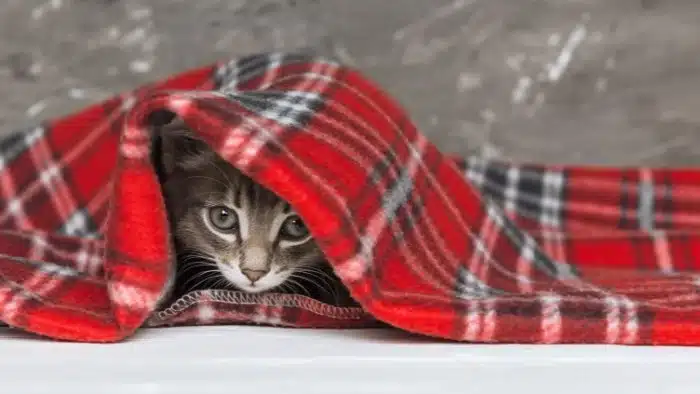
Many cat owners believe that because cats are covered in thick fur, it is like wearing a natural “fur coat,” so they should not feel cold. However, when autumn and winter arrive, many people notice their cats curling up beside heaters, sneaking into bed to share body warmth, or even showing signs such as sneezing and reduced activity. This often leaves owners confused: with so much fur, why do cats still get cold?
The truth is that fur alone provides limited warmth. Factors such as body structure and breed differences also play important roles. Today, we break down the real reasons to help you take better care of cats that are sensitive to cold.
Cat Fur Is Not a “Perfect Insulation Layer”
A cat’s fur does not always keep it warm. Its warming ability depends on the type and condition of the fur. Cats have two main types of hair: guard hairs and undercoat. Guard hairs mainly protect the skin and repel water, while the soft undercoat is what truly keeps cats warm.
Only after cats finish shedding and grow a thick undercoat in late autumn and winter does their ability to stay warm improve. During shedding seasons in spring and autumn, old fur falls out, and new fur has not fully grown yet. The undercoat becomes thinner, and warmth is reduced.
In addition, poor nutrition, dry and rough fur, or frequent bathing that removes natural oils can all weaken the fur’s insulating effect. Even if a cat looks fluffy, it may still struggle to stay warm.
Cats’ Body Structure Makes Them Sensitive to Cold
Cats are small mammals. Their small size means they lose body heat faster than larger animals. Even with fur, they are harder to retain heat.
Some areas, such as the belly and paw pads, have little or no fur. These parts lose heat easily. This is why cold cats often press their bellies against warm surfaces or curl up tightly to reduce heat loss from their paws.
A cat’s normal body temperature is around 38.5–39.5°C, slightly higher than that of humans. When the environment drops below 15°C, cats need to use extra energy to stay warm. If they do not have enough energy, they will feel cold more quickly.
Breed and Age Make a Big Difference
Not all cats feel cold in the same way. Long-haired breeds like Ragdolls and Maine Coons have thicker undercoats and handle cold better. Short-haired breeds such as British Shorthairs and American Shorthairs, especially hairless cats, have much weaker protection and are very sensitive to low temperatures.
Age also matters. Kittens and senior cats are the most sensitive to cold. Kittens have immature temperature control systems and little body fat, so they produce less heat. Older cats have slower metabolism, lower heat production, and thinner fur, which reduces their ability to stay warm.
Cats with weak health or chronic illnesses also feel colder than healthy cats because they have less energy available.
Natural Instincts Make Cats Prefer Warmth
Cats’ ancestors came from African desert regions. They naturally adapt to warm, dry climates and are not well-suited to cold environments. Although domestic cats now live in many different settings, their preference for warmth remains unchanged.
When temperatures drop, cats reduce activity and curl up to save energy. Long-term exposure to cold can make them uncomfortable and may even lead to respiratory infections or digestive problems.
Indoor cats are especially sensitive. Because they live in stable temperatures most of the time, they adapt poorly to sudden drops in temperature and show clear signs of feeling cold.
How to Better Care for Cats in Cold Weather
Cats may have lots of fur, but they still feel cold due to the limits of fur insulation, differences in body structure, breed, age, and natural habits. As a cat owner, pay extra attention in autumn and winter.
Provide warm beds for cold-sensitive breeds, kittens, and senior cats. Keep beds away from drafts and cold floors. Offer enough high-quality protein to support energy needs and healthy fur. Try to keep indoor temperatures stable and avoid sudden cold changes.
By recognizing the signs your cat feels cold and providing proper warmth and care, your furry companion can stay comfortable and safe even during the cold season.