



Why Is My Dog Not Eating? Causes and What To Do

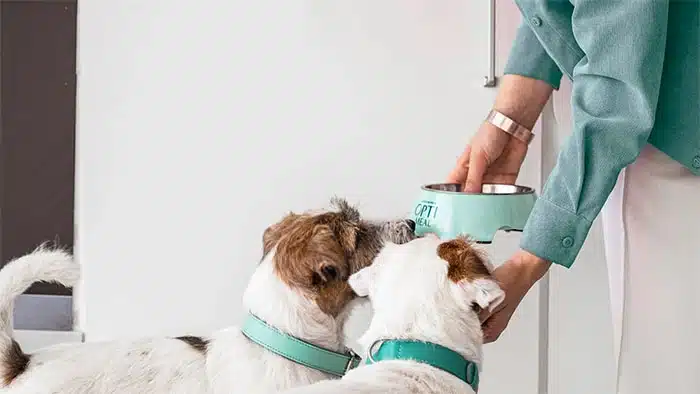
When your beloved dog turns away from your carefully prepared meal, lingering in front of the bowl for a moment before quietly walking away, your heart is often filled with anxiety and self-blame. We’re used to sighing, “He’s being picky again,” but we overlook the hidden physical pain, emotional turmoil, or subtle changes in his environment that might lie behind this silence. Dogs can’t express their discomfort verbally; each time they avoid food, it’s a gentle signal to the person they trust most. As their safe haven, we need to set aside blame and listen carefully to the deeper meaning behind their silence, with a scientific perspective and empathy.
Physical health is the foundation of appetite. Oral pain, such as swollen gums and loose teeth caused by tartar, makes chewing a torment; digestive discomfort, such as gastritis and intestinal obstruction, is often accompanied by vomiting and diarrhea; systemic diseases, such as abnormal kidney function and parasitic infections, can also subtly diminish appetite. Older dogs may lose interest in food due to a diminished sense of smell, and vaccine reactions or chronic pain can also affect their willingness to eat. Please observe carefully: Is there drooling, difficulty swallowing, or lethargy? If a dog refuses to eat for more than 24 hours or exhibits other unusual symptoms, seeking veterinary care promptly is the most serious way to protect its life. Only a healthy body can support its craving for food.
Emotional fluctuations are also a hidden factor. Dramatic environmental changes, such as moving or the arrival of a new family member, can shake a dog’s sense of security; separation anxiety can cause it to refuse food when its owner is away; continuous noise and stress from unfamiliar visitors can also suppress its eating instincts. Older dogs may be confused by familiar food bowls due to declining cognitive function, while puppies may cautiously explore unfamiliar environments. At these times, what it needs is not urging or scolding, but gentle companionship, a stable routine, and old clothes with your scent. Remember, its “lack of hunger” is sometimes another expression of “anxiety”; patiently build an emotional haven for it.
Daily feeding habits subtly shape its eating attitude. Excessive snacks make regular meals unappealing; frequent changes in food types can foster picky eating habits; irregular feeding times and food left out for too long will diminish their appetite. Some owners, out of concern for their dog’s well-being, constantly change its food, reinforcing the misconception that “refusing to eat is better.” Establishing a scientific rhythm is crucial: provide fresh food at regular times and in measured amounts, removing it after 15-20 minutes if the dog hasn’t eaten, avoiding snacks. Occasionally, slightly heat the dog’s food with warm water to enhance its aroma. Choose a nutritionally balanced and palatable formula, and use consistency and gentle persistence to help your dog regain trust in its bowl.
A dog’s silence at its bowl is never rebellion or spoiled behavior, but rather a complex language of body and mind. It might be saying “My tooth hurts,” “I’m scared,” or “I need you to hold me more.” True love means letting go of the obsession with “it should eat” and learning to understand its needs in subtle ways. When you replace anxiety with scientific observation and soothe unease with gentle companionship, those eyes looking at you will eventually be filled with trust again. Please cherish this silent declaration—because every rational response to a dog’s refusal to eat is the deepest respect for life and a gentle testament to the ever-strengthening bond between you.