



How Do I Keep My Cat Warm In Winter?

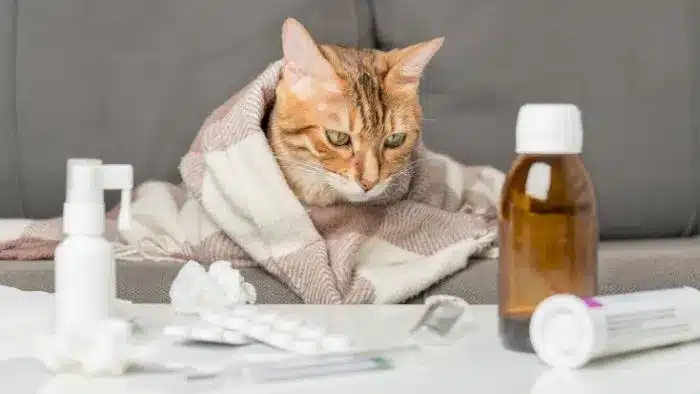
Cold weather increases the risk of cat illnesses. Indoor–outdoor temperature changes and dry air can cause colds, respiratory issues, and stomach issues. Inexperience with winter cat care often leads to mistakes that harm cats.
Winter cat care is simple if you focus on key tips. With the right protection, you lower illness risks. Here are essential tips to keep your cat healthy through winter.
1. Keep Your Cat Warm
Staying warm is the foundation of winter cat care. Avoid cold drafts and sudden temperature changes.
Cats have fur, but their belly and paws are sensitive to cold. Large temperature swings weaken immunity. Place the bed in a warm, draft-free spot away from windows and doors. For kittens, seniors, or long-haired cats, use pet winter clothes.
Keep the indoor temperature stable. Avoid opening windows too often in winter. When airing the room, move your cat to a warmer space first. If your cat goes outside, avoid very cold times, keep outings short, and make sure your cat stays warm.
2. Adjust the Diet to Provide Enough Energy
A proper diet helps cats stay warm in winter. Cats burn more energy to maintain their body temperature. If nutrition is not enough, they can become weak and get sick easily.
Increase portions slightly or pick higher-protein, higher-fat foods. This provides extra energy. Never serve canned food cold; warm it to body temperature to improve taste and protect the stomach.
Always provide warm, fresh water. Change it daily.
3. Keep the Environment Dry and Clean.
A clean, dry home reduces the risk of germs and illness.
In winter, poor ventilation causes damp, stale air. This lets bacteria and fungi grow, leading to skin or breathing issues. Clean your home often. Wash cat beds and blankets weekly and dry them in the sun.
If indoor air is too dry, use a humidifier. Keep humidity around 50%–60%. This helps with dry skin and breathing discomfort. Clean the litter box often to prevent bacterial buildup.
4. Monitor Health and Spot Problems Early
You should watch you and your cat closely in winter so that early signs of illness are easy to spot. Pay attention to your cat’s mood, appetite, and litter box habits. If you notice your cat has low energy or a poor appetite, take action quickly. For mild cold symptoms, keep your cat warm and give warm water. If symptoms persist or worsen, you need to see a vet. Avoid frequent winter baths; If showering is necessary, wash with warm water and dry fur completely.
Final Thoughts
Winter tests your cat’s health and your bond. Spend more time watching and caring for your cat for a safe, comfortable winter.
We hope this guide helps cat owners. Stay healthy this winter 🐾