



How do Cats Show They’re Happy?

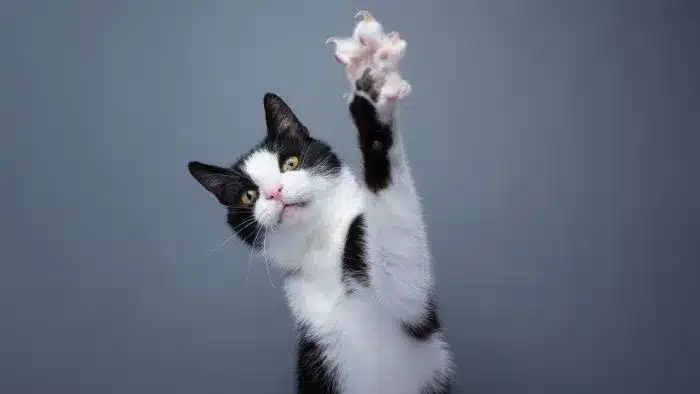
“My cat sleeps and eats all day—does that mean they’re happy?”
This is a frequent concern for cat owners. Unlike dogs, cats don’t wag their tails or grin to express happiness. Their joy is often subtle, yet never truly invisible. Their ears, tail, vocalisations, and even everyday behaviours like eating or sleeping send signals that mean, “I’m happy.” To understand your cat’s feelings, focus on these small cues and learn their distinct way of communicating with you.
Body Language: The Most Direct Sign of a Happy Cat
A cat’s body language offers the clearest insight into its mood. A cat appears relaxed and at ease. Its ears sit upright, with the tips angling slightly forward—not flattened or pulled back as in nervousness. The tail sways slowly, curls gently around the legs, or rests near the owner, rather than whipping or standing rigid. Some cats lounge on their backs, revealing their bellies. This vulnerable posture only appears when a cat feels truly secure.
On the other hand, a tense body or a tail tucked between the legs usually means the cat is anxious or scared, not happy. Always check for a relaxed body and tail to spot happiness. Body language is important, but it’s not the only clue. Observing your cat’s daily routines also offers valuable insight.
Daily Habits: Hidden Clues to a Cat’s Emotional State
A happy cat follows steady routines. It eats at regular times, uses the litter box predictably, and doesn’t begin overeating or lose its appetite without reason. It explores its environment—climbing cat trees, basking in sunlight, or batting at toys—instead of hiding. Some cats present their favourite toys or items to their owners, sharing delight as we share things we love with friends.
If a cat suddenly becomes withdrawn, ignores toys it used to enjoy, or shows unusual behaviour like excessive grooming or inappropriate urination, it may be feeling unhappy or stressed. Watch for changes in routine as early signs of emotional changes. While routines and habits can offer hints about mood, listening to your cat is just as important.
Sounds: The “Audio Signals” of Happiness
A cat’s body language is often the easiest way to tell how it feels. When a cat is happy, its body usually looks loose and relaxed. You’ll notice the ears standing naturally, with the tips leaning slightly forward. They’re not pinned back like they are when a cat is nervous.
The tail is another clue. It may move slowly from side to side, curl around the legs, or rest close to you. It’s very different from the fast whipping or stiff, straight tail you see when a cat is stressed.
Some cats even lie on their backs and show their bellies. This doesn’t happen often. It’s a position cats only take when they feel safe and comfortable.
Interaction With You: The Key Sign of a Happy Cat
A cat’s interaction with its owner is a primary sign of happiness. A content cat seeks closeness. It may leap onto your lap or shoulder as you sit, or weave between your legs as you walk. Cats often rub their head or cheeks against you to mark you with their scent, signalling “you’re mine.” This is a unique expression of affection.
When playing with toys, a happy cat will be active, jumping energetically and snuggling up to rest when tired. If a cat avoids touch, hisses, or runs away when you approach, it may be stressed or upset. Positive interaction and play are signs that a cat is happy. Ultimately, understanding a cat’s happiness involves observing all aspects of its life.
Understanding Your Cat’s Happiness
A cat’s happiness isn’t a hidden secret. It manifests through subtle signals—body language, daily habits, vocalisations, and interactions. You don’t need any special skills to sense whether a cat is happy. Just some patience and careful observation. When a cat’s ears are relaxed and drooping, its tail wags gently, and it chooses to stay with you, it’s saying, “I’m happy.” If you notice any unusual behaviour in your cat, pay attention and help relieve its stress.
Understanding a cat’s happiness helps you meet its needs, strengthen your bond, and make this special relationship even warmer and more meaningful.