



Do Stray Cats Miss the Outside World After Being Adopted?

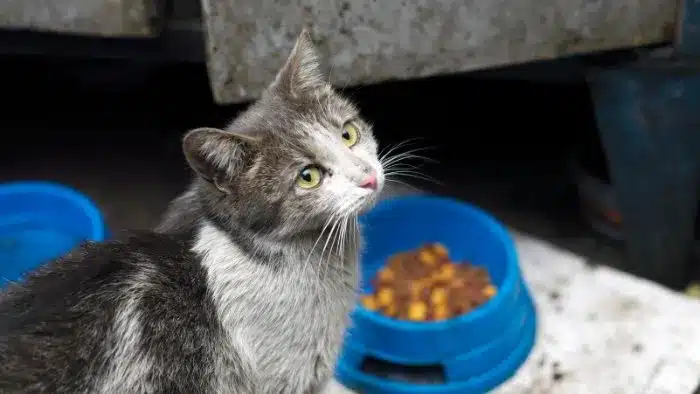
When we bring a shaking stray cat home, give it a warm bed and enough food, and watch it go from nervous to relaxed, many people start to wonder: Does it still think about its old life outside? It used to walk freely on the streets, and now it stays in a fixed space. Is this new “peace” a rescue for the cat, or a form of restraint?
In fact, a stray cat’s feelings toward the “outside world” are not simply longing or not longing. It is a pull between past survival memories and its current sense of comfort. To understand this emotion, we need to look at the cat’s daily behavior and state.
Instinctive reaction
Stray cats’ thoughts about the outside often come from leftover survival instincts. After living outdoors for a long time, they develop habits like searching for food and staying alert. Even after being adopted, they may still show “outdoor” behaviors—such as staring out the window, raising their ears when they hear birds or wind, or softly meowing at the door.
These actions miss the outside, but they are mostly instinctive reactions. They are not thinking about hunger or cold from their past life. They are simply reacting to unknown sounds and movements.
Just as people who went through hard times may keep certain habits, stray cats’ behaviors are also a continuation of past survival experiences, not a genuine longing for their old life.
New-home safety reduces instinctive reactions
For a stray cat, the outside world means hunger, cold, sickness, and danger. The so-called “freedom” comes with many risks. When a cat feels stable food, a warm place to rest, and gentle care from its owner, it slowly realizes, “There is no danger here. I don’t need to fight for survival anymore.”
With bonding, home becomes home
If the home offers enough interaction and space to explore—such as a cat tree, toys, or sunny corners—the cat will shift its attention to its new life and pay less attention to the window.
But if the home is dull or the owner is unengaged, the cat may feel lonely or anxious and seek escape outside. This is not genuine longing—just a reaction to an unsatisfying environment.
A stray cat’s attitude toward the outside changes over time as it builds trust and emotional bonds.
At first, it may pay close attention to the outdoors because everything is new. But as it spends more time with its owner and feels loved, it will gradually come to see the home as its real safe place.
Many adopted cats, even if they slip outside by accident, will quickly come back, because they know there is no safe harbor outside—only at home.
Their past experiences make them cherish stability even more. A full meal and a safe bed are very precious to them. The outside world becomes part of their past, not something they want to return to.
Outings from territorial confusion
Some stray cats show “outdoor behavior” because they misunderstand their territory, not because they long for the outside. A newly adopted cat may slip out the door or wander briefly, but this does not mean it wants to be a stray again. It may simply see the area around the house as part of its territory and want to check that it is safe. Once it accepts the home as its whole territory, these attempts decrease.
After being adopted, most stray cats do not truly miss the outside world. Behaviors that appear to be “missing the outdoors” are usually leftover survival instincts or signs of adaptation. For them, the outside is full of danger, while the safety and warmth of a home are the real rescue. Once they build trust and confidence in their new home, they let go of the past.
As adopters, we do not need to worry about “restricting” them. With patience and love, we can show them that a home is not a cage but a place that will not abandon them—security that is far more valuable than the “freedom” outside.