



Do My Cats Really Hold Grudges?

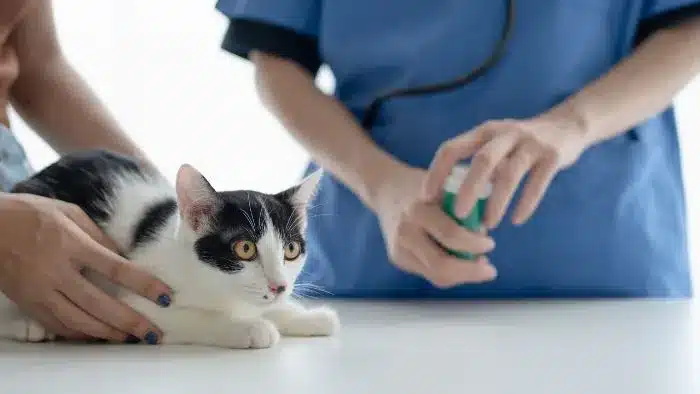
Many cat owners have had similar experiences. You accidentally step on your cat’s tail, take it to the vet, or forget to feed it on time. After that, the cat ignores you for days. It avoids you, turns its back, or refuses to be touched. So people begin to wonder, “Is my cat holding a grudge?”
This kind of human-centred thinking is interesting, but it can be misleading. Cats do not feel resentment the way humans do. Their behaviour is mainly driven by instinct, emotional memory, and reactions to changes in their environment. Understanding this helps us interact with cats more rationally and avoid unnecessary distance.
Why “Holding a Grudge” Is a Human Misunderstanding
Cats do have strong memory skills, especially for experiences related to survival. They remember which places are safe, who has fed them, and which sounds mean danger. If you once forced your cat to take a bath or grabbed it roughly, it may connect your actions, smell, or even facial expression with that bad experience. When a similar situation happens again, the cat may avoid you or act defensively.
This behaviour is not revenge or hatred. It is a reflex for self-protection. Because a cat’s brain works differently, it does not engage in complex emotional reasoning like humans. What we call “holding a grudge” is really a continued state of alertness to potential threats.
Cats express emotions very differently from humans. When a cat suddenly becomes distant, it is not always because it is “angry.” It may feel anxious, confused, or physically uncomfortable.
For example, behaviour may change after neutering, when a new family member joins the household, or when furniture is moved around. Some owners think the cat is “punishing” them, so they try harder to please it or keep interacting with it. This often increases the cat’s stress instead.
Why a Distant Cat Is Not Always an Angry Cat
Cats need space and time. A quiet environment and a stable daily routine usually help. Most cats return to normal within a few days. Forcing interaction often makes things worse. It is also important to note that cats remember positive experiences very well. If you treat your cat gently over time, play with it, and respond to its needs, it will build stronger trust in you.
Even if small mistakes happen, such as knocking over a water bowl and spilling it, the cat is more likely to forgive and trust you again quickly.
Studies show that cats can recognise their owner’s voice, tone, and way of touching. They use these signals to decide whether someone is safe. Because of this, building stable and positive interactions matters more than worrying about “offending” your cat.
Personality Differences Shape How Cats React
Of course, personality differences also affect how cats react. Some cats are naturally sensitive and cautious. One bad experience may keep them distant for several days.
More easygoing cats may quickly forget and continue seeking attention. This is closely related to early social experience, breed traits, and individual living environments.
As owners, we should respect each cat’s uniqueness and avoid judging their behaviour by human emotional standards. By watching body language—such as ear direction, tail movement, and pupil changes— We can better understand what a cat is really feeling.
In conclusion, cats do not “hold grudges” as humans do. But they do remember people or events that made them uncomfortable and adjust their behaviour accordingly.
This reaction comes from survival instinct, not emotional revenge. What truly shapes the human-cat relationship is not a single mistake, but trust is built through long-term interaction.
When we stop projecting human emotions onto cats, we may discover something meaningful: a cat may never say “I forgive you,” but through slow blinking, gentle closeness, and soft purring, it quietly shows that it still chooses to trust you.