



How To Tell If Your Cat Is Angry ?

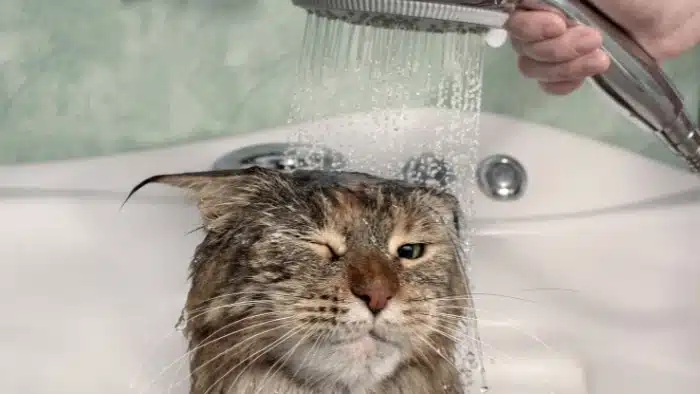
“Just a moment ago, it was fine. Why doesn’t it want to be touched now? Did I do something wrong?” Many cat owners have experienced this confusion, feeling like their cat’s mood changes suddenly. But in fact, a cat’s anger is often quietly communicated through its facial expressions long before it acts out. Unlike humans, cats can’t use words to show displeasure. Their emotions are hidden in subtle facial cues—the position of their ears, the state of their eyes, and the movement of their mouth all say, “I’m angry right now.” To avoid accidentally upsetting your cat, the first step is learning to read these facial signals.
1. Ear Position: The Most Obvious Indicator
A cat’s ears are a clear sign of its mood. When it’s calm or happy, the ears naturally stand up, with the tips tilting slightly forward. But if the cat is angry or on alert, the ears flatten back against the head and may even shake a little.
For example, if you try to forcefully hold a cat or it encounters an unfamiliar animal, flattened ears indicate it is nearing the edge of anger. Continuing interaction at this point may trigger hissing or aggressive behaviour.
2. Eye Changes: Subtle Signals of Anger
A cat’s eyes can show how angry it is. When it’s calm, the pupils look round or oval, and the gaze is soft. When it’s angry, the pupils change a lot.
- They might shrink into thin lines, and the cat will stare sharply at whatever is upsetting it.
- In extreme anger or fear, a cat’s pupils can get very big, making its eyes look wide as it watches everything around.
3. Mouth and Whiskers
You can also tell a cat is angry by its mouth and whiskers. When it’s calm, the mouth is a little closed, whiskers stick out to the sides, and it might yawn. When it’s angry, the mouth tightens, the corners turn down, and the whiskers point forward and feel stiff.
If anger escalates, the cat may open its mouth to show sharp teeth and hiss—a clear warning that approaching further could lead to an attack. Some cats may also lick their lips when angry, which is not a sign of relaxation but an attempt to relieve tension, signalling that the emotion is about to erupt.
4. Distinguishing Anger from Fear or Anxiety
Facial signals of anger can sometimes be confused with fear or stress. For instance, fearful cats also flatten their ears and dilate their pupils, but usually curl their bodies or tuck their tails between their legs. Angry cats tend to have a tense body, may flick or hold their tail upright, and sometimes show puffed-up fur. Observing only the face will lead to misinterpretation; combining facial and body cues is the best way to assess a cat’s mood.
Final Thoughts
As a cat owner, you don’t have to wait until hissing or aggression. By paying attention to these facial details, you can detect mood changes early and stop behaviours. Understanding your cat’s emotions not only reduces the risk of scratches or bites but also helps you better respect its needs and boundaries. After all, truly understanding a cat’s “language” is the key to entering its world.